
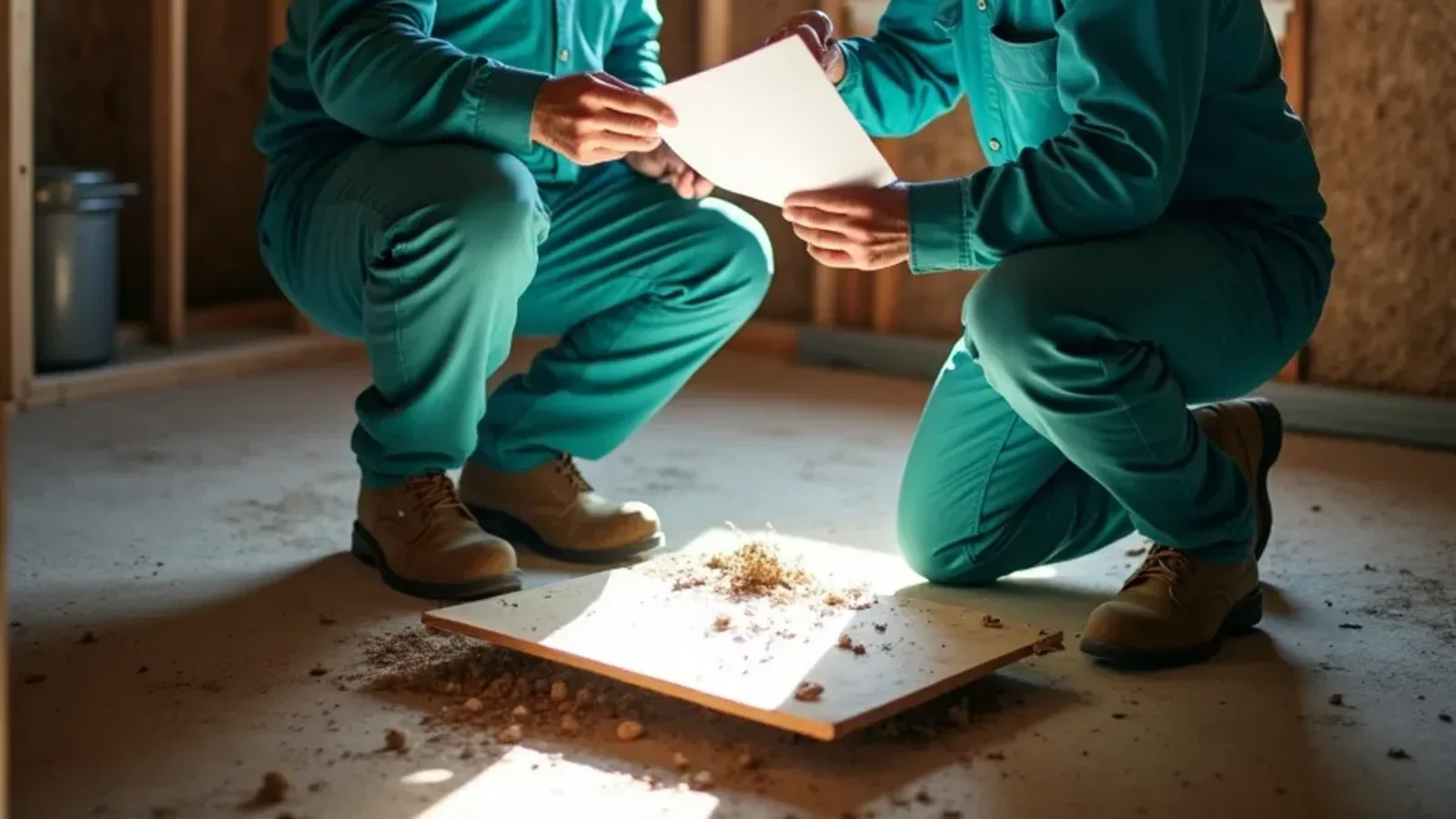
Does homeowners insurance cover termite or rodent damage?
Usually not. Most standard homeowners policies list insects, rodents and other vermin among the causes of loss they do not pay for. The same exclusion often sits alongside wear and tear, rot and neglect. Insurers view pest damage as something a homeowner can prevent through regular maintenance.
That means a floor joist hollowed out by termites or a wall full of insulation shredded by mice is typically your cost. The pest bill and the repair bill are both on the homeowner.
Please read this first
This article is general information about how many policies work. It is not legal or financial advice, and it is not a statement about your coverage. Policies and endorsements differ, so read your own documents and ask your insurance agent or carrier before you rely on any of this.
Need it handled now?
Call Miller's at (321) 496-4080 for same-day help in the Hayden area.
Why do insurers exclude pests?
Insurance is designed for sudden, accidental events, such as a fire or a storm. Termite and rodent damage is slow, steady and often preventable. It builds over months or years, and the cost of prevention is lower than the cost of paying out.
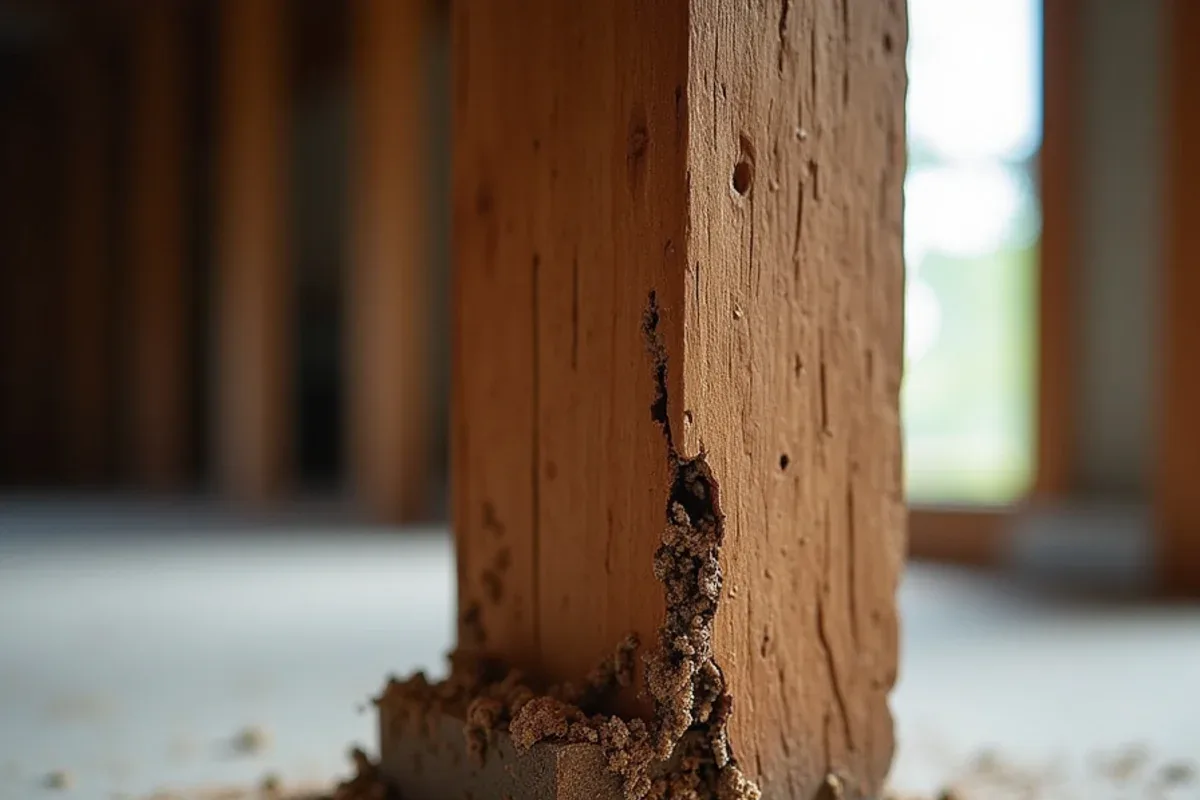
Termites are the clearest example. Subterranean termites move through the soil and feed on wood out of sight. A colony can work for years before anyone notices, which is why insurers treat it as a maintenance matter rather than a sudden loss.
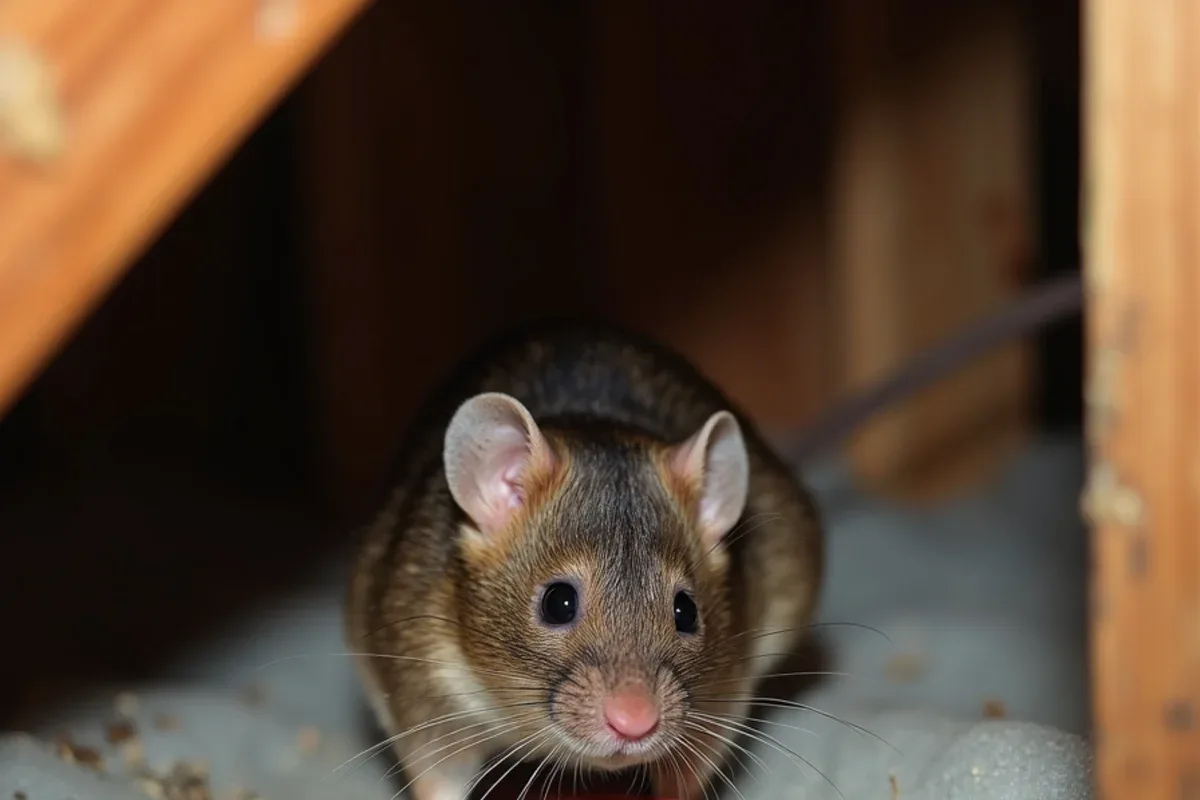
Rodents add a second layer. Mice and rats chew insulation, wiring, ducts and framing, and they leave droppings and urine that can contaminate insulation. Damage like that tends to be gradual too, so it falls under the same vermin exclusion.
Moisture ties many of these causes together. Wet wood invites carpenter ants and termites, and damp crawl spaces draw mice looking for shelter. Because moisture control is the owner's job, insurers lean on that argument when they deny a pest claim.

Are there situations where a claim might be paid?
Sometimes, but do not count on it. Some policies cover what is called an ensuing loss. That is a separate, covered event that happens because of a pest. Whether any ensuing loss is covered depends on the exact wording.
- A rodent chews a water line, and the resulting water damage may be handled differently from the pest damage itself in some policies.
- Fire from chewed wiring is sometimes evaluated as a fire loss, though insurers may investigate the cause.
- Some carriers offer optional endorsements or riders for specific pests, which add cost.
- Some termite companies offer repair coverage as part of a service agreement. Those terms vary, so read them closely.
Even where an exception exists, the claim process can be slow, and a claim may affect your premiums. If you are unsure, ask your agent how pest-related losses are handled before you need to file.
What does it cost to wait?
The math favors prevention. Termite treatment typically costs a few thousand dollars, and rodent exclusion usually costs a fraction of a major repair. Structural repair after long-term activity can run much higher, and none of it is likely to be covered.
| Problem | Prevention or early action | If it is ignored |
|---|---|---|
| Subterranean termites | Inspection and treatment before damage spreads | Structural repairs to sills, joists and subfloors, often paid by the owner |
| Mice and rats | Sealing entry points and a trapping plan | Replaced insulation, wiring repairs and cleanup of contaminated areas |
| Carpenter ants | Fix moisture and treat nests early | Rot repair and wall or beam replacement |
The trade-off nobody likes
Prevention costs money every year and shows no visible payoff when it works. A yearly inspection can feel like paying for nothing. The value is the repair you never have to make, and the sale you never have to renegotiate. Weigh it against the cost of one damaged sill plate or one rewired attic, not against zero.
Real estate matters too. A termite or rodent history can affect a sale, since buyers and lenders ask for a wood-destroying insect report. Documented treatment and a clean inspection protect your home's value.
What should you ask your insurance agent?
A short phone call now is better than a surprise later. Agents hear pest questions often, and the answers are specific to your policy and carrier. Bring a list.
- Does my policy exclude damage from insects, rodents and other vermin, and where is that written?
- Are there any ensuing-loss provisions, such as water damage from a chewed pipe?
- Is there an endorsement or rider for pest damage, and what does it cost?
- Does a pest-related claim affect my renewal or premium?
- What documentation would you want if I ever file a related claim?
Write down the answers and the name of the person who gave them. Policies change at renewal, so ask again every few years. If you buy or sell, expect the lender or buyer to ask about pest history as well.
Why records help even without coverage
A tidy file of inspection reports, treatment dates and repair invoices shows how you handled the house. It supports resale value and tells future owners what was done. Keep photos of crawl spaces, sill plates and attic insulation from before and after any work.
What is usually covered and what is usually not?
Policy language varies, so treat this table as a general pattern and not a promise. It shows how pest-related losses are commonly sorted, and what to confirm with your carrier.
| Situation | How it is commonly treated | What to confirm with your agent |
|---|---|---|
| Termites eating framing, sills or subfloor | Usually excluded as vermin, wear or maintenance | Whether any endorsement or rider exists |
| Mice chewing insulation or ducts | Usually excluded as vermin damage | Whether cleanup of droppings is addressed |
| Rodent-chewed pipe causing a leak | Resulting water damage is sometimes evaluated separately | Ensuing-loss wording and any limits on sudden water damage |
| Fire traced to chewed wiring | Fire is a listed cause of loss, but the cause may be investigated | How the carrier handles the origin of the fire |
| Pest control treatment itself | Normally not covered; it is a maintenance cost | Whether any service agreement carries repair terms |
| Damage that was already there at purchase | Typically not covered; it predates the policy | What a pre-purchase wood-destroying insect report showed |
Notice the common thread. The pest damage is usually the owner's cost, while a sudden, separate event that follows may be judged on its own. Even then, wording and the cause of loss decide the outcome.
Treatment agreements are not insurance
Some termite agreements promise repairs under stated conditions. Those promises come from the pest company, not an insurer. They often have limits, exclusions and renewal requirements, so read the terms line by line before you count on them.
If you are buying a house, the inspection report matters more than any policy. Ask the seller for past treatment records, and look at the crawl space yourself or hire someone to do it. What you find before closing is a negotiating point. What you find after is your repair.
How can you protect your home and your budget?
Since coverage is unlikely, prevention is the real policy. The steps below cost little compared with repairs and fit most southern Indiana homes.
Schedule a yearly termite inspection
A termite control plan, whether liquid barrier or bait, comes with monitoring that catches new activity early.
Fix moisture problems
Leaking gutters, downspouts that dump at the foundation and damp crawl spaces all invite termites, carpenter ants and rodents.
Keep wood away from soil
Store firewood off the ground and away from the house. Keep mulch a few inches below siding.
Seal entry points
Gaps around pipes, vents, sill plates and garage doors let mice in. Rodent control with exclusion closes those routes for good.
Check the attic and crawl space twice a year
Look for droppings, gnawed material, mud tubes and sagging insulation.
Keep records
Save inspection reports, treatment paperwork and photos. They help with resale and any conversation with an insurer.
Act on small signs
A few droppings or one mud tube is cheap to deal with. The same signs ignored for a season become a repair bill.
Homeowners in larger markets like Columbus and in rural Jennings County face the same exposure. Older houses with stone or block foundations are especially worth checking. So are homes with attached garages, additions and wood decks, since each adds a new joint where pests can enter.
Frequently asked questions
Does homeowners insurance cover termite damage in Indiana?
Will insurance cover rodent damage like chewed wires or insulation?
Can I buy insurance that covers termites?
Does a termite treatment record help if I sell my house?
Most homeowners policies leave termite and rodent damage to you, which makes inspection and exclusion the best protection you have. Read your own policy, talk to your agent, and handle small problems early. If you want a clear look at your home, call Miller's at (321) 496-4080.