
Is it really bed bugs? How to confirm before you panic
Finding a bug in the bedroom is alarming, and plenty of harmless insects look similar. Confirming the ID matters because the response to bed bugs is very different from the response to a carpet beetle or a stray tick.
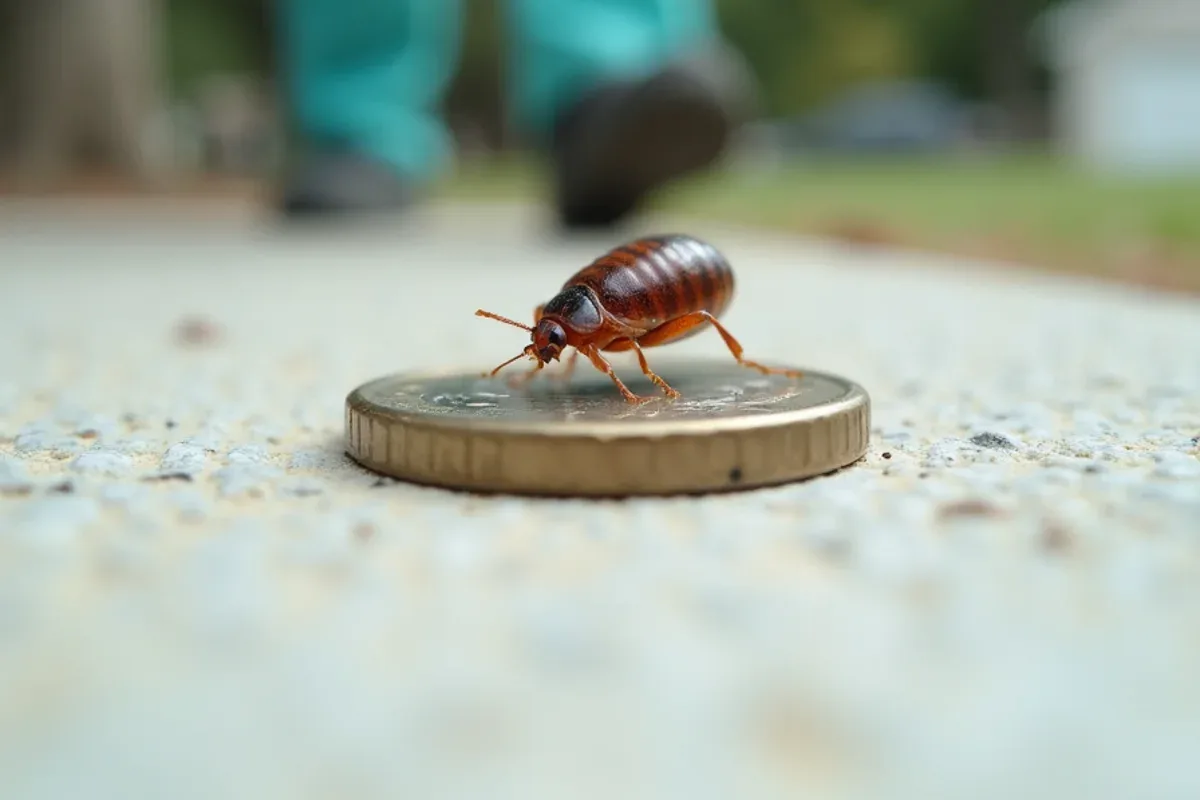
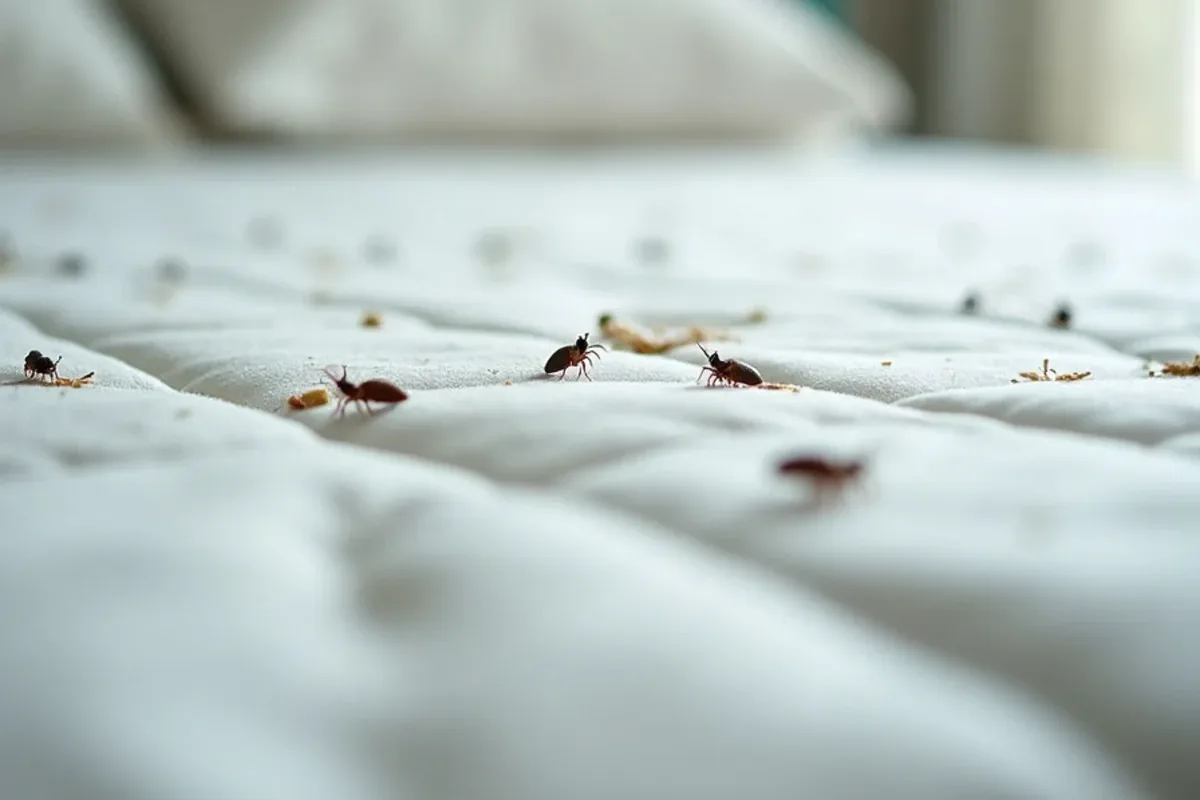
Adult bed bugs are flat, oval and reddish-brown, about the size of an apple seed. They have no wings and do not jump. Young bed bugs are smaller and paler, and they darken after feeding. You may also see shed skins, tiny white eggs and dark specks that smear red when wiped.
Where to look
- Mattress seams, piping and tags, especially near the head of the bed.
- Box spring edges and the cloth underside, where bugs hide in staples and folds.
- Bed frame joints, headboards and the gap where the headboard meets the wall.
- Nightstands, baseboards, outlet covers and the seams of upholstered chairs.
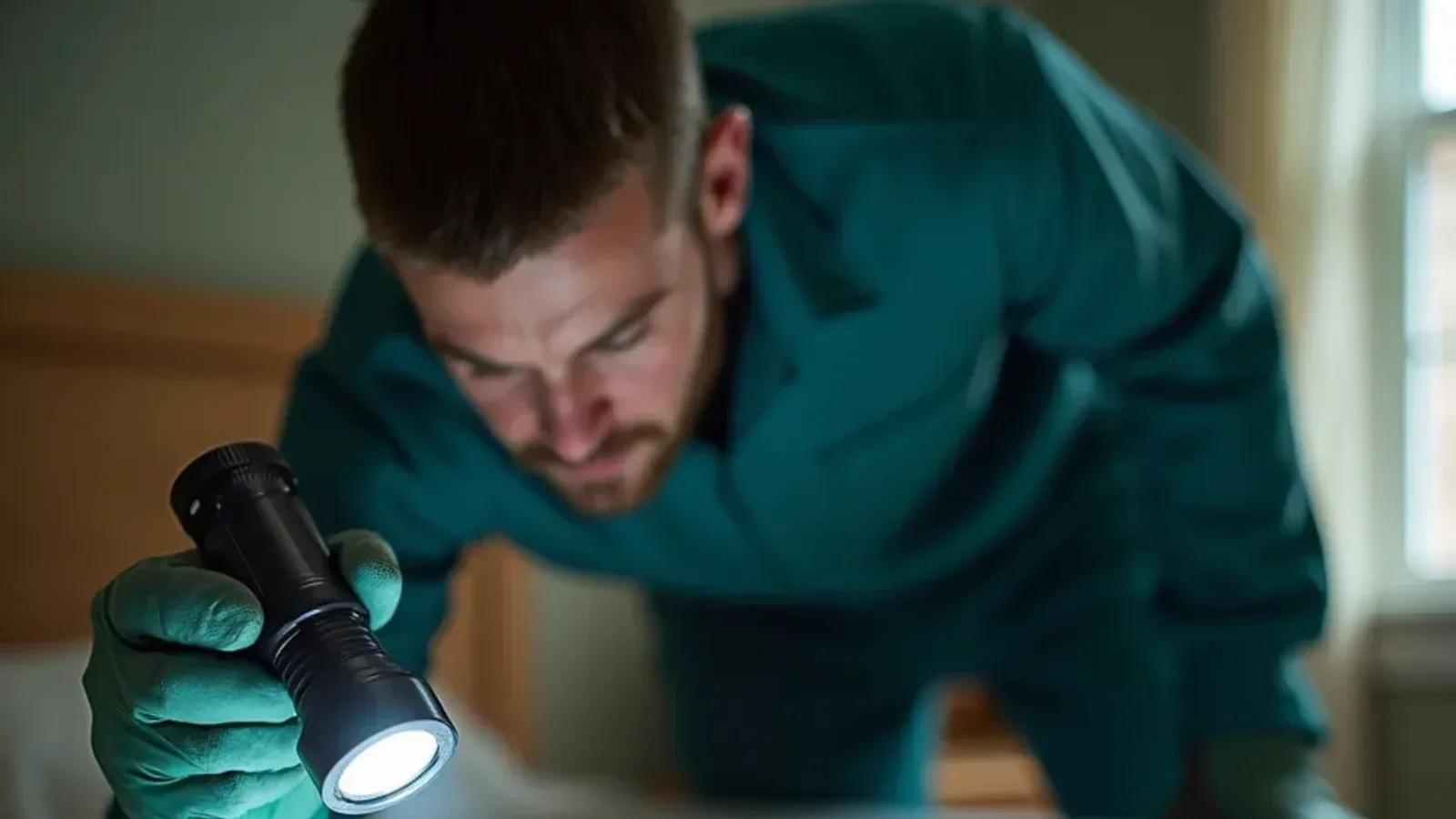
Bites alone cannot confirm an infestation. Reactions vary, and many people do not react at all. Use a flashlight and a credit card to probe seams, and collect a specimen on clear tape if you find one. A photo and a sealed specimen help a technician identify it quickly.
Common look-alikes
Carpet beetle larvae are fuzzy and striped, and they feed on fabric, not blood. Booklice are tiny, pale and fast. Fleas jump and are usually found on pets or floors. Bat bugs look nearly identical to bed bugs under a magnifier, which is why a trained eye is worth having.
If you are traveling, check the hotel bed before unpacking. If you picked something up, keep your luggage off the bed. Wash and dry the clothes on high heat when you get home, and store the suitcase away from sleeping areas.
Need it handled now?
Call Miller's at (321) 496-4080 for same-day help in the Hayden area.
What should you do in the first 24 hours?
The goal of day one is to contain the problem and protect your belongings. Bed bugs spread when people move infested items, so slow and careful beats fast and messy.
Stay in the room you found them
Keep sleeping in the same bed if you can. Moving to the couch or a kid's room can carry bugs to new places.
Strip and bag the bedding
Put sheets, blankets and pillowcases straight into a sealed bag and carry them to the laundry. Do not shake them out.
Wash, then dry on high heat
Wash fabric that tolerates it, then dry on high heat for at least 30 minutes. Heat in the dryer, not the washer, does the killing.
Vacuum the bed and nearby floor
Run a vacuum with a crevice tool along seams, frames and baseboards. Seal the contents in a bag and take it to the outside trash right away.
Encase the mattress and box spring
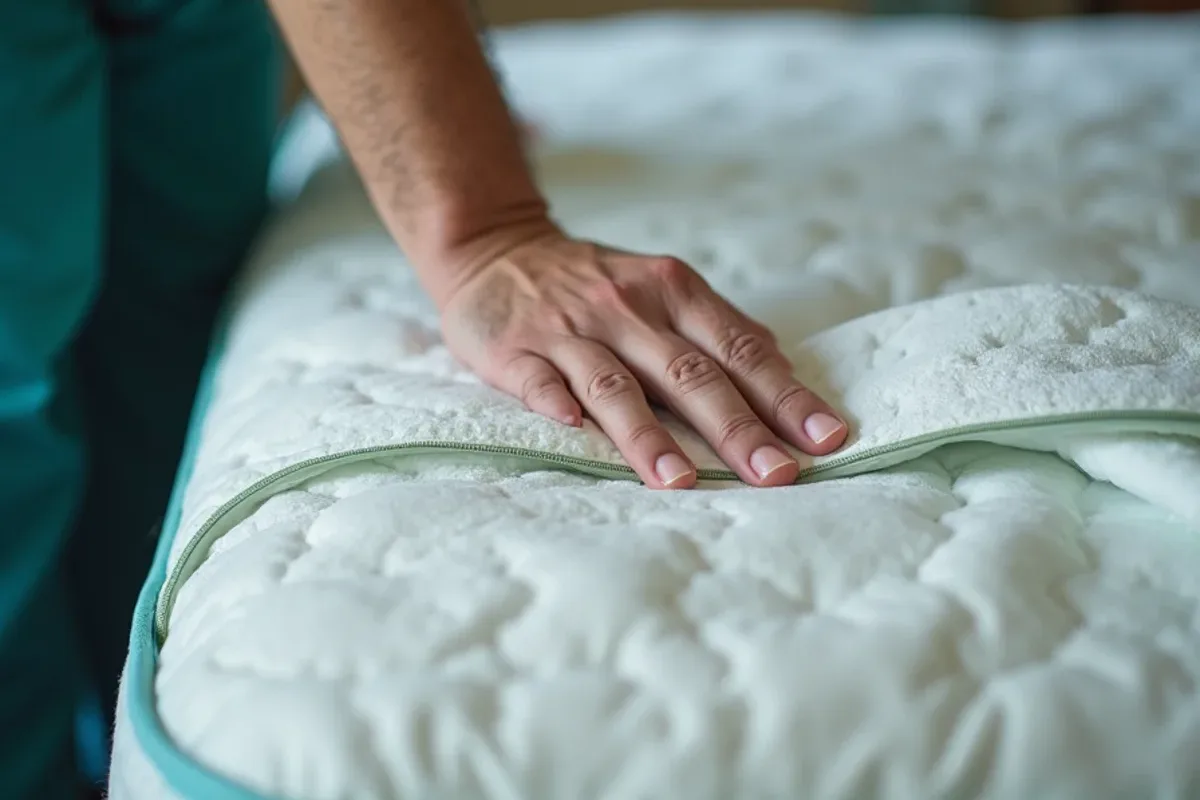
A zippered bed bug encasement traps bugs inside and removes many hiding spots. Leave it on for a year or more.
Pull the bed away from the wall
Keep bedding off the floor so bugs cannot climb from the carpet or the wall onto the bed.
Photograph and write it down
Note where you found signs and when you were bitten. The record helps a technician plan the treatment.
A trade-off worth knowing
Bagging and heat-drying cuts the population fast, but it does not clear the infestation. Bugs hide in walls, furniture and baseboards where laundry cannot reach. Think of day-one steps as containment that buys time, not a cure.
What should you not do?
Panic produces the most expensive mistakes. These are the ones we see most often.
- Do not use bug bombs or foggers. Bed bugs scatter away from the fumes into walls and neighboring rooms, which spreads the problem.
- Do not throw out the mattress or couch right away. A cleaned and encased mattress is usually fine, and an infested one dragged through the house leaves bugs behind.
- Do not spray rubbing alcohol around the bed. It is flammable and does not reach hidden bugs.
- Do not move belongings to other rooms or a friend's home. Contain, then treat.
- Do not apply pesticides labeled for other uses on your bed or bedding. Follow product labels, and keep chemicals away from sleeping surfaces.
- Do not skip telling a landlord, roommates or neighbors. Bed bugs travel through shared walls and pipes, and early notice limits the spread.
If you must dispose of furniture, wrap it in plastic first and mark it clearly so no one else picks it up.
How do you prepare for professional treatment?
Preparation makes a treatment faster and more effective. Your technician will give you specific instructions, but this checklist covers the common ones.
- Reduce clutter, especially around beds, closets and baseboards.
- Wash and heat-dry bedding, clothing and curtains, then store clean items in sealed bags or bins.
- Empty drawers and nightstands as directed, but do not carry the contents around the house.
- Pull furniture a few inches from the walls so edges and baseboards can be reached.
- Keep pets, children and anyone sensitive away from treated rooms as instructed.
- Do not wash treated surfaces or vacuum treated edges until told it is safe.

Expect more than one visit. Bed bug eggs hatch over days, so a follow-up visit is normally needed to catch the next wave. Treatment is a process, usually a couple of weeks of monitoring, and not a single spray.
When should you call, and what will we do?
Call as soon as you have confirmed signs, or sooner if you are not sure. Early infestations are small and cheaper to clear. A technician can inspect beds, furniture and nearby rooms, confirm the species and explain the plan.
Our bed bug treatment covers inspection, treatment of the sleeping areas and adjoining rooms, and follow-up visits to confirm the problem is gone. Because bed bugs can disrupt sleep and daily life, we also handle these calls through emergency pest control, and same-day visits are often possible.
Bed bugs travel in luggage, secondhand furniture and visitors' belongings, so they show up in every kind of home. Our crew sees calls from Seymour apartments to rural farmhouses, and near the Ohio River in Hanover. A bed bug problem does not mean a dirty house.
Be ready to answer a few questions on the phone. Where did you find the signs, how long have you noticed bites, and have you moved or bought secondhand furniture recently? Short, specific answers let the crew bring the right tools the first time.
Tell the technician about anyone in the home who is pregnant, elderly, very young or has a health condition. Those details affect product choice and how you prepare the rooms. Do not hide an infestation from guests or landlords out of embarrassment, since silence only lets it travel.
Frequently asked questions
Can I get rid of bed bugs myself?
How can I tell bed bug bites from other bites?
Should I throw out my mattress if it has bed bugs?
How long does bed bug treatment take?
The first 24 hours are about calm containment: confirm the ID, bag and heat-dry what you can, encase the mattress, and avoid foggers and furniture dumping. Then get a plan that treats the whole problem. If you have found bed bugs, call Miller's at (321) 496-4080 and we will help you take the next step.