

Why do pests try to move in when it turns cold?
Insects and rodents do not invade your home out of spite. They are looking for a place to wait out winter. Falling temperatures and shorter days tell them to find shelter, and a warm house with gaps in the siding looks like a cave.
In southern Indiana, harvest season adds a push. Soybeans and corn come off the fields, hay is cut, and the insects and mice that lived there move to the nearest cover. Rural houses at the edge of farmland often get hit first and hardest, while in-town homes see it a few weeks later.
The good news is that fall pests follow a pattern. They arrive on the same weeks, use the same few entry points and respond to the same fixes. A single weekend of work beats a winter of vacuuming.
| Pest | Peak move-in | Where they enter | What to do |
|---|---|---|---|
| Brown marmorated stink bug | Late September to October | Siding gaps, soffits, window trim | Caulk and screen; vacuum, don't crush |
| Asian lady beetle | Warm days in October | Sunny walls, attic vents, door frames | Seal cracks, repair screens |
| House mouse | First cold snaps | Pipe gaps, garage door, foundation cracks | Exclusion with mesh, then trap |
| Cluster fly and boxelder bug | Early to mid fall | Upper walls and attic gaps | Seal the roofline, reduce nearby host trees |
Timing matters because sealing after the pests are already inside traps them in the walls. If you wait too long, the most useful action is to seal the exit paths you can reach and plan the full job for next spring.
Need it handled now?
Call Miller's at (321) 496-4080 for same-day help in the Hayden area.
Stink bugs and Asian lady beetles: the sunny-wall invaders
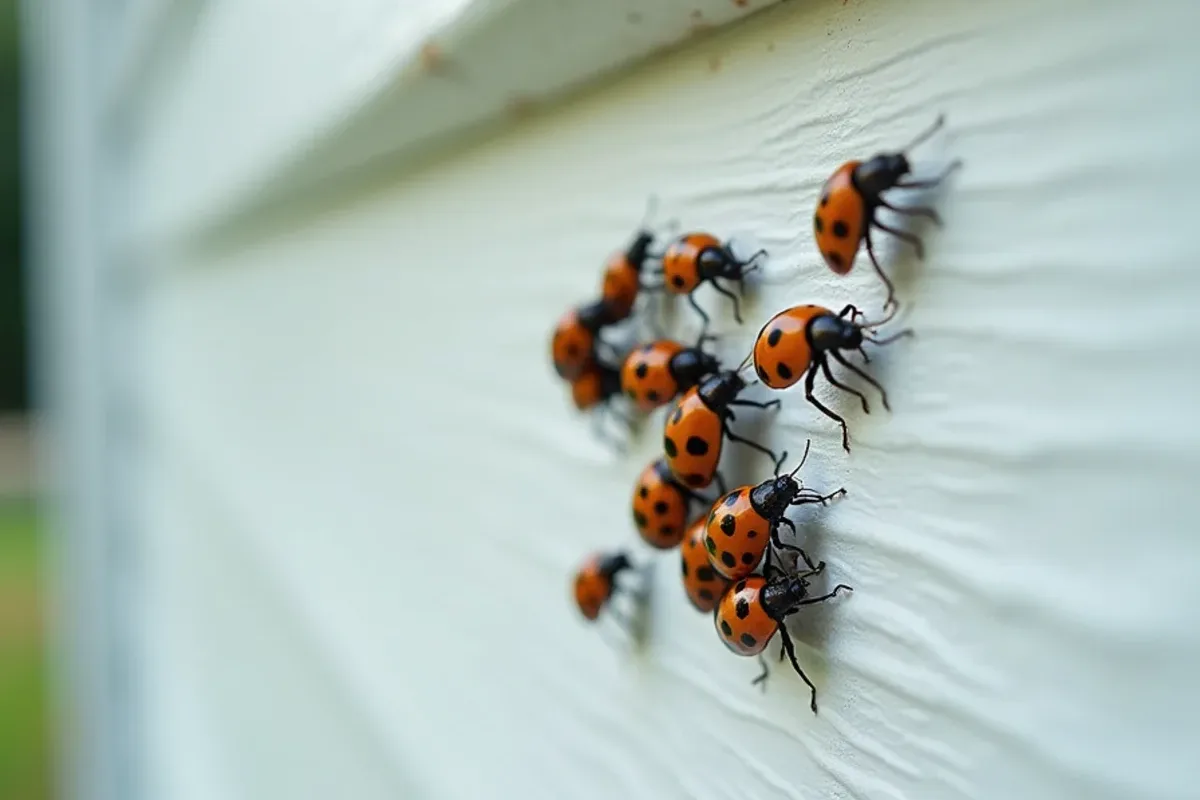
Brown marmorated stink bugs and multicolored Asian lady beetles gather on south- and west-facing walls on warm October afternoons. They look for cracks in siding, gaps under fascia and loose window trim. Once inside wall voids and attics, they sit still until a warm spell wakes them.
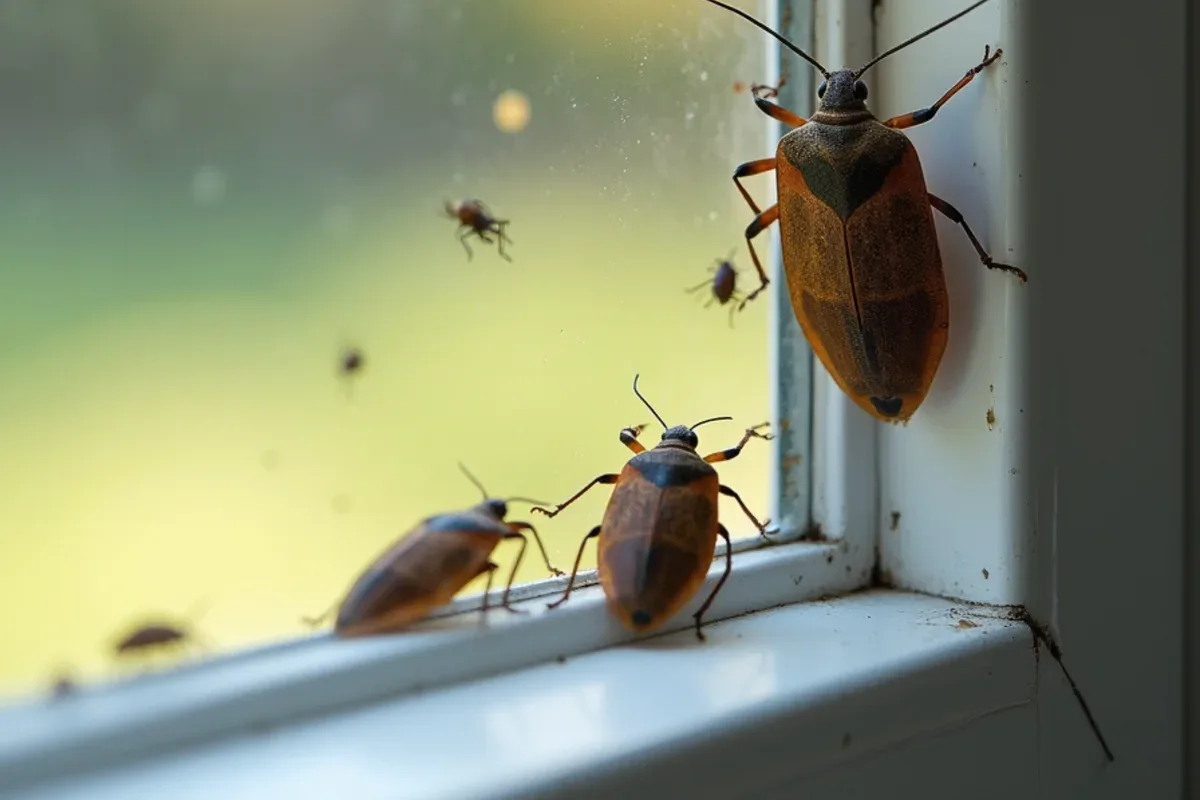
That waking is the part homeowners notice. A few warm days in January and a handful of bugs crawl out of a light fixture or window. They do not breed indoors or damage the house, but they smell when crushed, and lady beetles can stain surfaces and nip skin.
How do I handle the ones already inside?
Vacuum them up and dispose of the bag or empty the canister outside. Do not crush stink bugs, since they release an odor. Spraying indoor insecticide is rarely worth it, because it leaves dead bugs in walls that feed other pests like carpet beetles.
Sealing beats spraying for bugs that overwinter
An exterior treatment in early fall can cut the number of stink bugs and lady beetles that get in, but it will not make the house airtight. The long-term fix is exclusion: caulk, screens, weatherstripping and vent covers. A perimeter treatment buys time while you seal. It works best alongside sealing, not instead of it.
Mice: the winter guest that stays
A house mouse can squeeze through a gap about a quarter inch wide. That is roughly the size of a pencil. Once inside, one pair can raise multiple litters over the winter, and by January you may be hearing scratching in the walls.
Mice move along edges and prefer to stay close to cover. Common entry points include the spot where a utility line enters the house. Others are the gap under a garage door, vents without screens and foundation corners where a crack has opened.
- Look for droppings the size of a grain of rice along baseboards, in cabinets and in the garage.
- Listen for scratching at night, usually in ceilings and wall voids.
- Check stored boxes, cereal bags and pet food for gnaw marks.
- Watch for greasy rub marks along walls where mice travel.
The most important step is exclusion, which means closing the holes. Stuff steel wool or copper mesh into gaps. Then seal over it with caulk, since mice chew through foam alone. Traps help clear the mice already inside, and our rodent control work pairs trapping with sealing so the problem actually ends.

The weekend fall pest-proofing checklist
Do this between mid-September and the end of October, before the first hard freeze. Work from the roofline down, and carry a flashlight and a tube of exterior caulk. Homeowners in North Vernon and Westport can finish it in a Saturday.
Inspect the roofline
Check fascia, soffits, gable vents and ridge vents for gaps. Cover openings with metal screening or hardware cloth.
Repair window and door screens
Patch tears and replace damaged frames. Check weatherstripping on window sashes.
Replace door sweeps and threshold seals
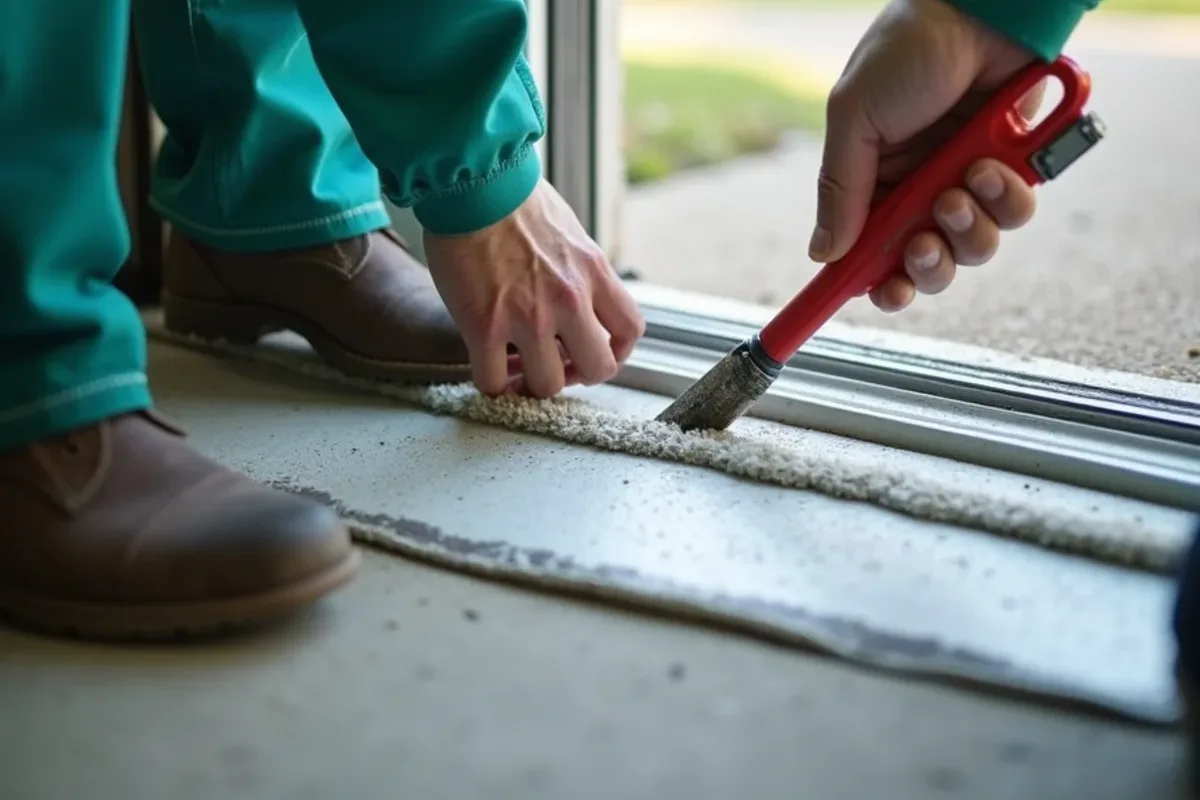
If you can see daylight under a door, a mouse can get in. Garage doors need a bottom seal in good shape.
Caulk siding and trim gaps
Seal around windows, doors, dryer vents, cable lines and utility penetrations with exterior-grade caulk.
Plug pipe and wire entries
Pack steel wool or copper mesh into gaps around plumbing and wires, then seal over it.
Clean up the yard edge
Rake leaves from the foundation, trim shrubs back from the siding and stack firewood off the ground, away from the house.
Tidy the garage and shed
Store pet food and birdseed in metal or heavy plastic bins with lids. Put cardboard boxes on shelves.
Check the chimney and attic vents
Make sure the chimney cap is intact and attic vents have intact screens.
Pay special attention to the garage, which is the main route for mice in most homes. Check the corners where the door seal meets the floor, because a worn rubber seal leaves a gap along the edges. Replace it with a new bottom seal and check the side and top seals too.
Do not skip the low-tech steps. Cutting a dozen cracks in a house's barrier cuts pest traffic more than any spray. For a deeper look at how homes get pressure from mice, see our post on how to get rid of mice for good.
When should you call for help instead of doing it yourself?
Call if you find droppings or chew marks, if bugs are already clustering in numbers inside, or if you cannot reach the problem areas safely. Tall roofline gaps and crawlspace vents are jobs better done by someone with a ladder and a plan.
A seasonal preventative pest control plan treats the outside of the home in fall, when stink bugs and lady beetles are looking for entry. It also checks your bait stations and entry points for rodents. Same-day service is often available around Hayden when you have an active problem, so you do not have to wait for the weekend.
Frequently asked questions
When should I start fall pest-proofing in Indiana?
Are Asian lady beetles harmful?
Do stink bugs damage my home?
How do I keep mice out of my house in fall?
Fall pest-proofing is a small job that prevents a long winter. Seal the gaps, clear the yard edge and keep food stored tight. Found mice, piles of bugs or entry points you can't reach? Call Miller's Termite and Pest Control at (321) 496-4080 and we'll help you finish the job.